Ivermectin is one of the most commonly used heartworm prevention medications used for dogs. It is present in many different heartworm products, including Heartgard Plus®, Iverhart Plus®, Iverhart Max®, Tri-Heart® and others. Ivermectin is an antiparasitic drug used to treat many different parasites in dogs including skin mites and heartworms.
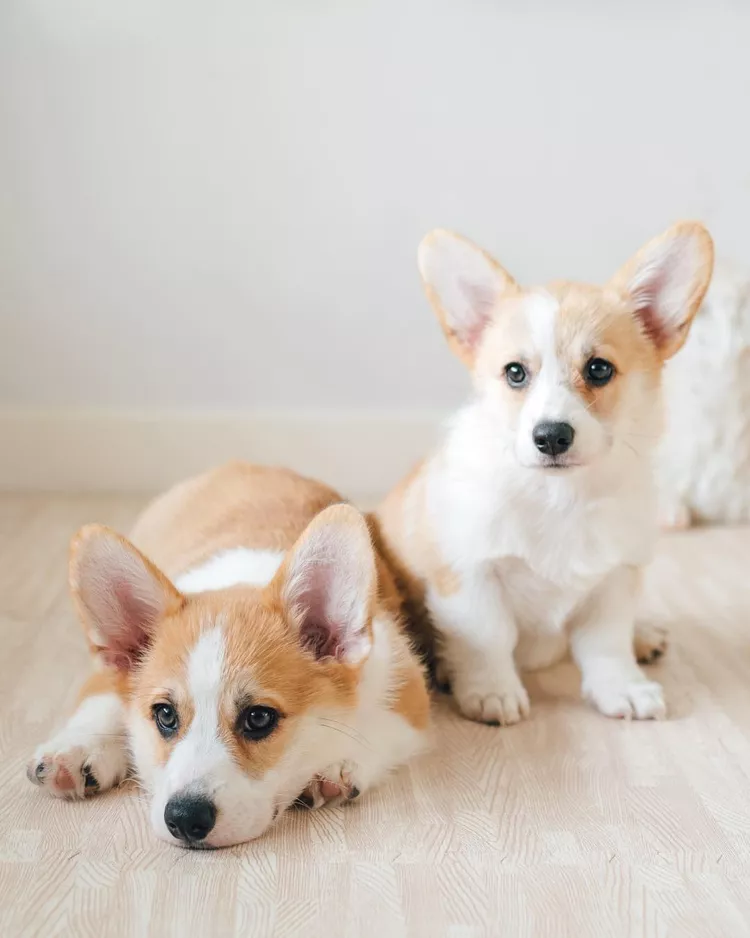
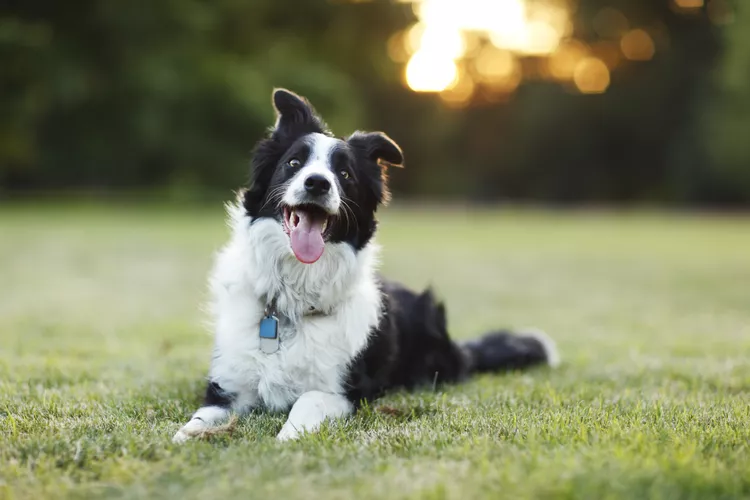
Collies and other herding breeds such as border collies, Old English sheepdogs, and Shetland sheepdogs are more likely to have the MDR1 gene mutation, putting them at higher risk for toxic effects if given Ivermectin, as well as certain other drugs. Is it safe to use an Ivermectin-based product to prevent heartworm infections in these dogs?
Collies and Ivermectin Safety
Ivermectin, when dosed at the low dosage necessary to prevent infection from heartworms, is generally considered to be safe even for dogs with the MDR1 gene mutation.
Warning
However, at higher dosages used for dogs with other medical conditions, these breeds may be more susceptible to serious side effects. Owners need to know the facts about Ivermectin toxicity as it could end up saving a dog’s life.
Ivermectin Toxicity
Ivermectin may not be safe for collies and similar herding breeds at higher dosages that would be safe in other dogs. The increased sensitivity of these breeds is a result of a mutation of the MDR1 (multi-drug resistance) gene. Not every collie and herding dog has this mutation, but on average, about 70% of collies in the US have the mutation. Dogs with this genetic defect lack a certain protein that prevents Ivermectin and certain other drugs from being flushed from the brain and other organs so that it builds up at higher concentrations—this can happen quickly or over a period of time.
There is a test for this gene mutation that can be performed to determine whether an individual dog carries this gene mutation or not. If in doubt about the risk for a particular dog, the dog should ideally be tested before being treated with a drug like Ivermectin. Collies and other dogs who carry the mutant gene can also pass it on to their offspring. For these reasons, it is a good idea to have any herding dog tested for the mutation to make careful medical and breeding decisions.
Symptoms of Ivermectin Toxicity
Dogs with sensitivity to Ivermectin can show symptoms of toxicity within 4 to 6 hours of exposure. These include:
- Neurologic signs: severe neurologic signs are the most serious and concerning side effects dogs may experience, which include shaking, disorientation, stumbling, seizures, and even coma.
- Pupil Dilation: One of the most common early symptoms is the dilation of the pupils and increased sensitivity to light. This can progress to blindness.
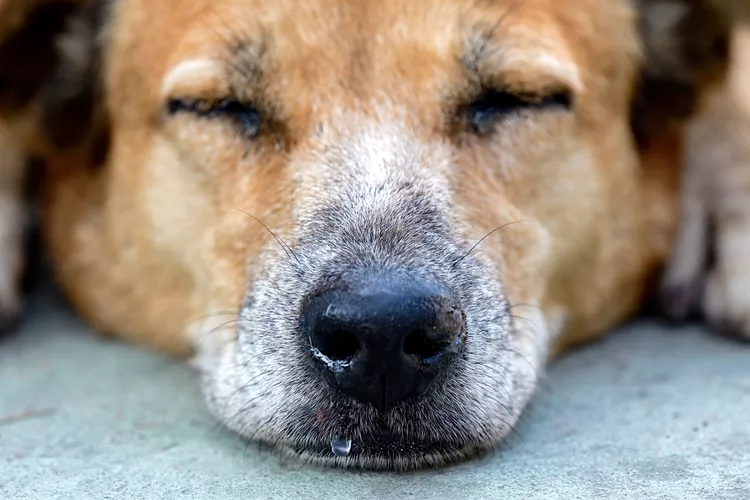
- Appetite and Digestive Problems: Affected dogs may experience inappetence, vomiting, and/or diarrhea. Without treatment, this can result in dehydration. Dogs may also drool excessively.
- Motor Impairment: As the symptoms progress, dogs can fall or stagger as they stand or walk. They can also seem disoriented and unresponsive to you.
- Lethargy: Lack of energy is another early indication of toxicity. Your dog may be unable to get up or have difficulty walking as well.
Treatment for Ivermectin Toxicity
The MDR1 gene mutation cannot be treated or cured, however, your dog can be treated for symptoms of toxicity to a drug like Ivermectin. Your vet will try to manage the symptoms your dog is experiencing. This will include supportive care like giving your dog fluids, other drugs, and supplemental oxygen to control its symptoms. Dogs with severe neurologic signs might also need a feeding tube and/or to be put on a ventilator to help them breathe. This kind of care usually requires referral to a specialty hospital with specialized equipment. A full recovery can take days to weeks and requires intensive care. For these reasons, it is best to be cautious with herding breeds and discuss any possible concerns with your veterinarian prior to drug administration.