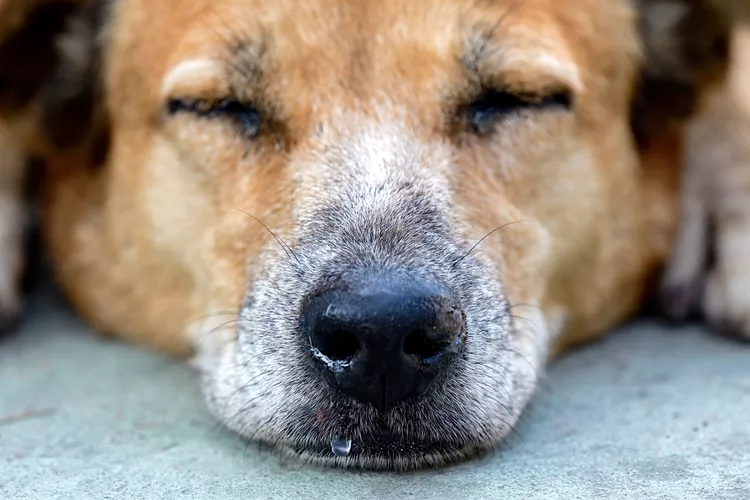
When people develop a runny nose, they usually know why. Illnesses, environmental debris, spicy foods, and even feelings cause us to cry and have a runny nose, but is it the same for dogs? Just like us, dogs can be exposed to a variety of things that can result in a runny nose, but it is usually harder to tell what the cause is because they can't talk. Knowing some of the common reasons why a dog would get a runny nose can help narrow down the possibilities, so you can know if you need to do more than just wipe its nose.
Why Do Dogs Get Runny Noses?
Respiratory Infections
One of the most expected reasons for a runny nose in your dog is a respiratory infection, but there are many different types. Viruses, fungi, and bacteria can all infect a dog's respiratory system in different ways. Kennel cough, pneumonia, a cold, influenza, aspergillosis, and other infections that can be found in the respiratory tract all require veterinary attention and can also cause a runny nose.
It's important to note the difference between a simple runny nose and nasal discharge that is not clear and watery. If your dog’s nasal discharge is thick or yellow or green in color, don't assume that it's just a little cold. More often than not, it is an infection that requires treatment.
Tumors and Polyps
Growths, such as polyps and tumors, can develop inside your dog's nose. These may be so small that you never notice them or they can be large enough to cause problems for your dog. Breathing issues, nose bleeds, and even runny noses may occur due to a tumor or a polyp in your dog's nasal cavity. Special instruments may be needed in order for these growths to be seen inside the nose, so your veterinarian may need to sedate or anesthetize your dog to use them and address the issue.
Nasal Irritation
If there is a lot of dust or other debris in the air, it may irritate your dog's nose and cause them to sneeze or have a runny nose. Sometimes scented candles, air fresheners, oil diffusers, aerosol sprays, and other smells may be irritating to dogs. If your dog is sensitive to these items, your dog's runny nose should stop if you stop using them.
Environmental Allergies
If your dog has allergies to dust mites, pollen, or fungal spores, they may sneeze or get a runny nose when they breathe them in. Just like a nasal irritant, these allergens are irritating to your dog's body and can cause it to react negatively. Common symptoms seen with allergies include a runny nose, sneezing, skin issues, and itching.
Conformation Issues
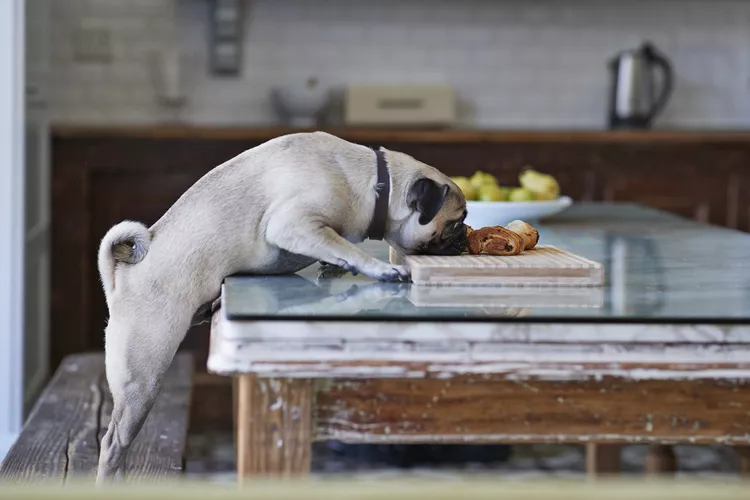
Some dog breeds, including pugs, French bulldogs, shih tzus, and other brachycephalic breeds are born with noses that are more likely to run than breeds with longer snouts. A runny nose is not a concern if it is purely due to the way a dog's face is built. If, however, the dog has a cleft palate, stenotic nares, or a fistula, then that's another story. Cleft palates and oronasal fistulas are abnormal openings between your dog's mouth and nose that can cause nasal discharge, especially after eating.
There are a variety of other diseases that can cause a dog to get a runny nose. Anything that causes inflammation of the nose and sinuses can result in your dog's nose to run, so even some tick-borne diseases and serious illnesses that many dogs are vaccinated for can be at fault.
What Can Your Vet Do About a Runny Nose?
Clear, watery nasal discharge is less concerning than white, yellow, or even red discharge, but do not hesitate to schedule an appointment with your veterinarian, regardless of the color, if you think your dog is sick. A full physical examination of your dog will look for any physical abnormalities or sources of infection.
Sometimes, bloodwork and/or imaging (X-rays, CT scan, MRI, or rhinoscopy) will also be needed to make a diagnosis but once a cause is determined, your veterinarian can make treatment recommendations. If the cause of the runny nose is because of a physical abnormality, such as a cleft palate, polyp, or oronasal fistula, surgery may be necessary to correct it.